Sentimental Value
Joachim Trier’s newest film invites you into a world of complex emotional intimacy. One that requires an open heart & a box of tissues.
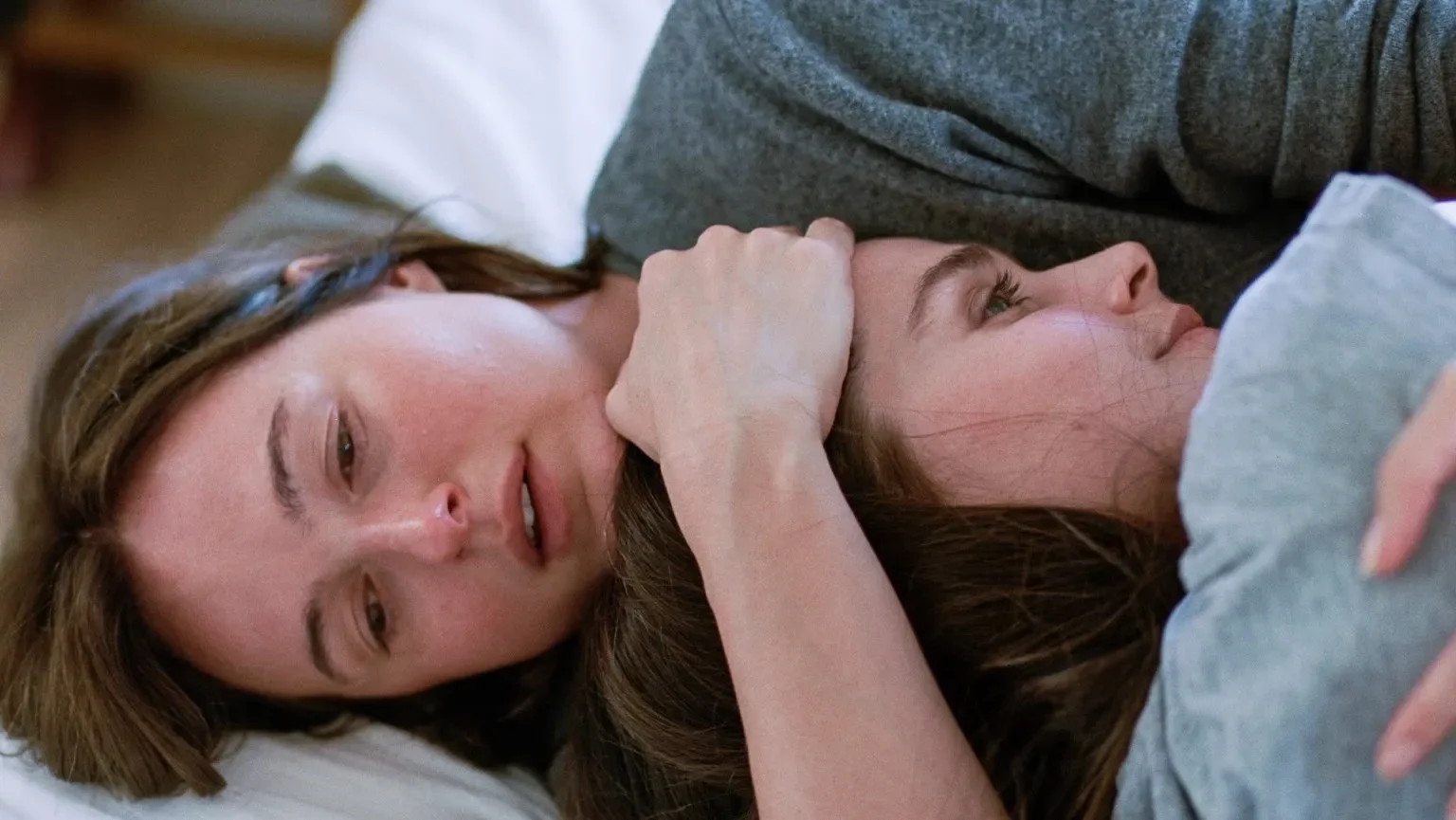
A house can hold a lot. To make it a home it requires the strength to withstand the chaotic children running around its floors, and to comfort its inhabitants through the good and bad, holding onto memories and secrets the inhabitants would rather forget. In an ever-changing world, your family home can often be the one constant in your life. In Sentimental Value, director Joachim Trier guides us through the life of a broken family by first getting us acquainted with their family home and showing us how quickly a human life can move.
In Trier’s previous projects, his protagonists are mostly lost, looking for somewhere they belong. In 2006’s Reprise, two childhood best friends reckon with growing apart only to lose themselves in doing so. In Oslo, August 31st, a recovering drug addict has alienated himself and longs for connection in the sprawling city of Oslo. In The Worst Person in the World, a young woman wades through the troubling waters of losing love and finding who she really is. This brings us to Sentimental Value, where practically every character is lost in their own ways.
Gustav (Stellan Skarsgård) is a once renowned film director looking to make a grand comeback to filmmaking. His film is inspired by his mother who was part of the Norwegian Resistance Movement and later took her own life in the family home – the same home his daughters grew up in. He asks his stage actress daughter, Nora (Renate Reinsve) to take the lead role of playing her grandmother which she fervently refuses. He instead casts a Hollywood star, Rachel Kemp (Elle Fanning). The filming of Gustav’s movie in the family home causes Nore & Gustav to confront their fragile relationship. Nora and her sister Agnes are also slightly misaligned, with Anges being more sympathetic to her father than Nora.
Joachim Trier’s work has always spoken to me, but this hit different. It’s no doubt one of the most impressive scripts I’ve seen on the big screen in years. Trier & his screenwriting partner Eskil Vogt strike an impossible balance of the fictional and the real and how that intertwines with people’s lives and narratives. He prods the unspoken space of family relationships and brings all of it into the light with no room for hiding – which led to many, many tears for me. The whole family in this film must negotiate their relationship to memories, and in the midst of refurbishments of their beautiful family home, there is baggage you must sort through and leave at the door.
The house in which most of the events of the film unfold is a character in its own right with its own voice. It holds both tender and heartbreaking memories which give us a guide to the characters psyche. As is said in the film, ‘the house looks back at people’. A childhood home can be such an emotional place & Trier communicates this remarkably. The production design is inviting & warm, which is a stark contrast with the emotions the home holds inside. Inside is death, loneliness, heartbreak, and the tense silence that comes with miscommunication. But there is also light, love, and awkward moments that turn into awkward laughs.
The characters in Sentimental Value are lost in a multitude of ways. Gustav’s career was on the decline, so he tapped into his past and decided to make a film personal to him. Through doing so, he is looking for answers to understand why his mother took her life when he was young – something he’s never been able to come to reason with. Now, as a 70-year-old, he knows the answers are in that house, the house that holds decades of memories. If only walls could talk. Not to mention his complete inability to be a loving father. His so-called fatherly advice ends up being misogynistic dribble, and his attempts to connect with his daughters are shallow at best. With Nora, we see no drive to help her estranged father look through the memories stored in that house, and why would she? It would only bring the pain of digging up memories which she resents, and the thought of reconnecting with her father is too much to handle. Even her relationship with Agnes seems fractured through their differing perspectives on the familial bond that ties them together. Agnes shares Nora’s resentment of her father but also longs to be a family again. She loves her sister and struggles to hold her sister’s pain. Finally, Rachel is a massive star and quite sure of herself until she takes the role in Gustav’s films. Suddenly she is thrust into a world so foreign to her that she begins to lose herself in the role she is trying to play as well as realising she is completely out of her depth.
Trier & Vogt manage to weave each character's intricate storylines so seamlessly. You feel their emotions deeply, almost like they’re your own, even if there’s nothing you can directly relate to. They guide you through complicated people’s lives, not to make sense of them, but to make the audience feel. That, to me, is what makes a good drama incredible, and Sentimental Value is nothing short of incredible.
Sentimental Value is in Australian cinemas on Boxing Day!
