Weapons
Zach Cregger’s suburban fairy tale nightmare is an incredibly assured dive into the horrors of small-town America
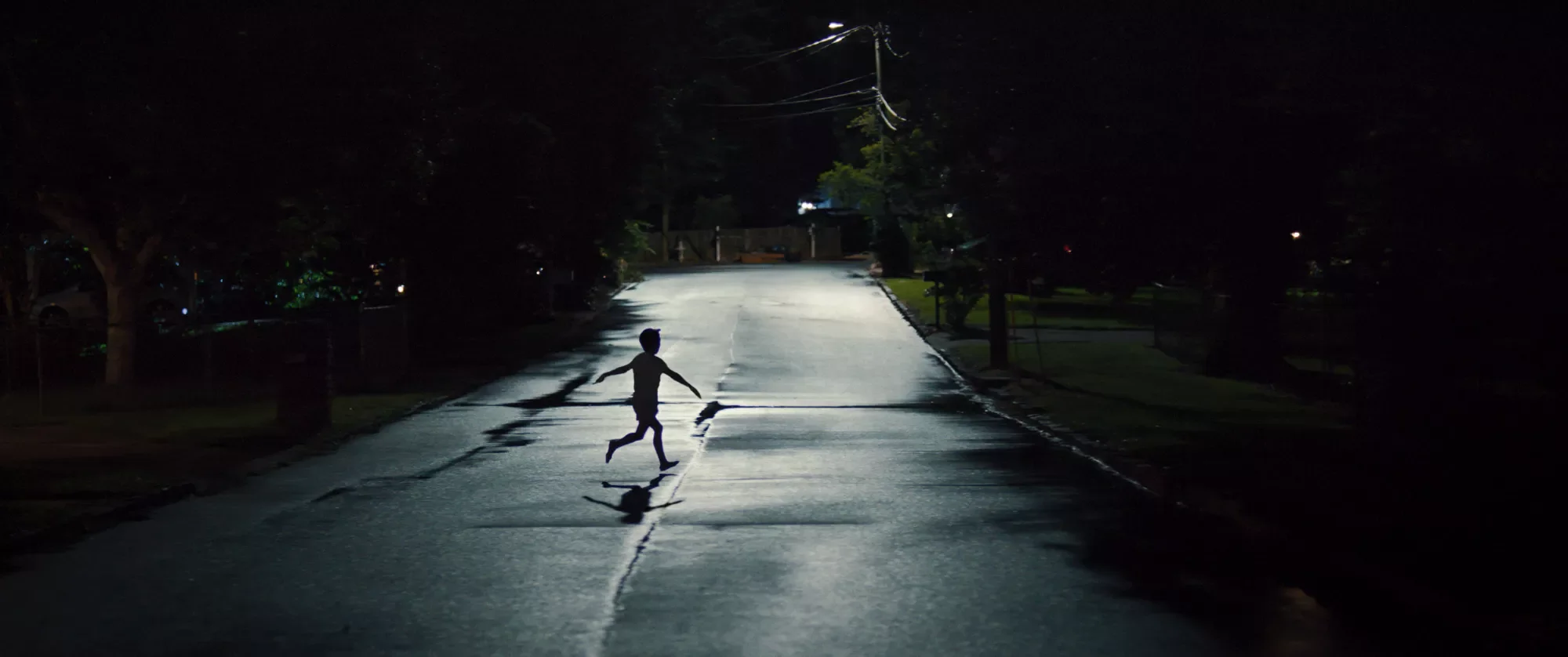
The tagline to Zach Cregger’s latest feature film, Weapons, reads as follows: “Last night at 2:17am every child from Mrs Gandy’s class woke up, got out of bed, went downstairs, opened the front door, walked into the dark… and they never came back.”
This tagline, effectively serving as the film's logline, serves as a small part to one of the most effective marketing campaigns for a horror film in recent memory. Between the initial teaser images that were released, followed by the security footage clips and the accompanying website, there was a lot of hype building behind Cregger’s follow up to the 2022 breakout success, Barbarian. The risk run by so heavily marketing a film like Weapons is in losing the element of surprise. Despite having not seen any clips or trailers, and not visiting the film’s website ahead of its release, Weapons is such an assured outing from Cregger that even if you have delved into the marketing it is a film that is still sure to land for audiences in a myriad of ways.
Returning with another dive into the horrors hidden beneath the glossy surface of small-town America, Cregger’s Weapons tells the story of a classroom of children from Maybrook Elementary School who inexplicably go missing one night, and how the ripples of this horrific and mysterious event affect the members of the small town in varying ways. With a shifting focus on different characters throughout the film, Cregger’s unique story structure leads to one of the most engaging and exciting films so far in 2025.
Predominantly following the characters of teacher Justine Gandy (Julia Garner); father of one of the missing children, Archer Graff (Josh Brolin); Paul Morgan (Alden Ehrenreich) and Alex Lilly (Cary Christopher), Weapons unfolds its mystery to its audience in a fracturing of perspectives. Jumping from character to character across the film's six main acts, Cregger is able to slowly reveal information surrounding the disappearance of these kids to the audience, while also focussing on the way the characters individually grapple with the tragedy.
After the film's brief setup of the inciting event, set to some rather fairy tale-like voice over from a young child, the audience follows Justine, the teacher of the class of kids that went missing. In the wake of the event, many of the Maybrook parents have taken aim towards Justine as the prime suspect and accost her for answers to the whereabouts of the children. Julia Garner’s portrayal of Justine is rightfully dishevelled, as the character battles the paranoia of being the target of the town while also navigating her own personal challenges, which only become heightened after the tragic event.
Following Justine's point of view, the film shifts to that of Archer, a father to one of the missing children and one of the Maybrook residents who sets his sights on Justine as being responsible for his child's disappearance. Brolin captures the essence of a grieving father perfectly, soldiering on through work days and consistently questioning the police on the status of the investigation; showing a brave face to the outside, while using his focus on finding his child as the only source to stop him from completely shutting down. This all starts to take a toll on Archer’s mental wellbeing as he begins to obsess over the security camera footage of his son leaving the house, scouring for clues in the dark with no leads to follow.
The film then bounces between a number of different characters from this point, as they all attempt to grapple with the aftermath of the disappearance, trying their best to go about their normal days in the brooding shadow and looming mystery of such a devastating situation. These storylines all coalesce during the film's final stretch as it hones in on Alex Lilly, the one remaining child from Mrs Gandy’s class, portrayed brilliantly by Cary Christopher in his big screen debut. Christopher brings a tremendous level of quiet to the film as he navigates through the trauma of survivors guilt and being the constant focus of some of the people in town. It is through Alex’s perspective that Cregger brings some of the film’s most important mysteries to light, as Justine, Archer and Alex’s experiences all begin to align with the frightening unravelling of what is really going on.
Zach Cregger teams with cinematographer Larkin Seiple and Barbarian editor Joe Murphy to bring to the film an almost film-epic feel. All at once feeling like a bed time story that tells an expansive and epic tale, while taking a keen focus on a small town and its people, the craft behind the film is outstanding. While some of the more heightened camera direction of Barbarian can still be found in the film, Cregger takes a more regimented approach to Weapons. Where the former took bold swings with genre shifts and electric visuals, Weapons is far more balanced in its blending of humour and horror, as well as being more grounded in its blocking and staging of its plethora of unsettling sequences that the audience are pulled through at the behest of the floating camera (the footage of the children running through the streets at 2:17am is one of the most skin crawling images to grace the screen this year).
Cregger does a brilliant job of having long stretches of the film dedicated to the characters navigation of the central mystery, which feels akin to something like Fincher’s Zodiac (a director who is thanked in the film’s credits), and serves as a great way to lull the audience into the film’s grasp, unknowingly lowering their guard before being served one of the many terrific scares. Cregger also knows just when to turn the dial and heighten the film as it often leans into its stranger elements. In one of the more evocative moments of the film, we see Archer have an out of body experience, as he retraces the final steps of his missing son before turning to see a giant Assault Rifle with the time ‘2:17’ glowing from its muzzle, seen floating above his home. While serving as only one image from arguably the most frightening stretch of the film, it is an image that feels incredibly purposeful in what it evokes from the audience, despite carrying its own individual mystery.
There are a large number of moments in Weapons that truly are strange and it’s through this stitching of funny, weird, wonderful and terrifying sequences that Cregger really succeeds. The tonal balance across each and every moment is done with immense precision that, despite being largely stuffed full with ideas, never lets the film down. Cregger also composed the film's score, alongside Hays and Ryan Holladay, which is incredibly effective when it is utilised, especially through its final stretch and serves as an additional layer to Cregger’s success in tying this staggeringly large film together.
There is no doubt that Weapons is going to find its audience. After the success of Barbarian, the film is a bold swing for Cregger. One that could easily be scoffed at for not having enough forward facing commentary or going too big and tackling too many ideas, but at its core Weapons carries a fascinating mystery that is sure to frighten and enamour audiences for years to come. It’s a film that brings to mind cult hits of recent, such as David Prior’s The Empty Man, and it holds within it faint echoes of some of horror's favourite directors in the likes of Jordan Peele and even M. Night Shyamalan to a degree. Weapons is a completely uncompromising and assured vision from Zach Cregger that he fully commits to and if for nothing else but that reason alone, in an artform riddled by studio sequels and reboots, the film is a really exciting success and one to watch on the biggest screen possible.
Weapons is in Australian cinemas August 7!